 TF Admin
Experience: Whether it’s walking through the aisle of home depot and you can’t miss Ryobi’s recognizable bright green tools. While many of the company’s shoppers instantly recognise their popular 18V ONE+ line of tools straight off their popular range, there are also more powerful 40V and 80V platforms that typically ask some questions. Understanding the differences between these voltage systems is critical before investing in batteries, chargers and tools that are designed to last for years.
This guide explains how the three main platforms of Ryobi are different and what each one is best for as well as how to choose the right system without marketing gimmicks, but real-life usage.
Understanding Ryobi’s Tool Ecosystem
Ryobi has received its name from accessibility and width. Unlike some of the brands aimed at professionals, Ryobi is aimed at homeowners and DIYers in addition to light to medium professionals. The company designs its platforms to a certain point that one battery system is capable of running dozens if not hundreds of compatible tools.
However, more voltage is not necessarily always “better”. Each Ryobi platform has its own use to serve the same type of work from daily repair work to heavy-duty lawn work.
Ryobi 18V ONE+ Tool System
The 18V ONE+ is the most used platform by Ryobi. It is also one of the largest cordless ecosystems in the market. A single 18V ONE+ battery can power over 250 tools with a total of over 300 products.
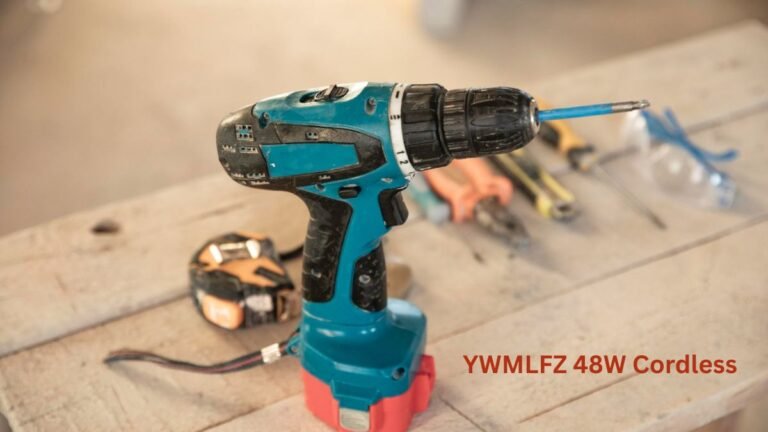
This platform takes care of almost every work that is done in a common house and workshop. Drills, impact drivers, circular saws, sanders, ratchets, fans and lights and even compact leaf blowers all fit under the 18V umbrella. Battery options vary from small 1.5Ah packs to larger 12Ah high-capacity batteries, and so users should be able to find a weight and runtime fit for the job.
One of the most difficult things to accomplish with the 18V ONE+ line benefits is backward compatibility. Even older Ryobi tools can take more modern batteries so it is a low-risk investment. Brushless upgrades have helped the performance and efficiency over the years but not losing affordability has been a key selling point itself.
For home repairs and DIY projects, 18V ONE+ automotive work and hobbies, the platform has enough power without being too much of a hassle to live with and money.
Ryobi Lawn Mower 40V Tools – Replacing Gas Power
The purpose of the Ryobi 40V platform is much different than that: replacement of gas-powered outdoor equipment. These tools are made for what was traditionally done with petrol engines, extension cords or both.
The 40V range contains lawn mowers, leaf blowers, string trimmers, edgers, chainsaws and snow blowers and outdoor vacuums. While the offering is small compared to those of the 18V range, the emphasis is clear – more torque and longer run-time and consistent power with heavy load.
Ryobi is marketing the 40V tools as being quieter, cleaner and easier to maintain than the gas counterparts. There is no mixing fuel, no pull starts and much less vibration. Battery capacities are also higher with possibilities for 6Ah, 8Ah or 12Ah commonly available to assure adequate running time to help handle a full yard.
For homeowners wanting to find a serious outdoor performance option that doesn’t have the disqualifying disadvantages of having equipment that is powered by a petrol engine, the 40V platform is a sensible happy medium between convenience and power.
Ryobi Lawn Mower 80V Platform – Maximum Cordless Power
Currently, the top and most powerful in the lineup is Ryobi’s 80V system. It is aimed head-on at replacing lawn equipment that is powered with large amounts of gas; especially riding and zero-turn mowers.
At present the 80V range is limited but it is specialised. It includes zero turn riding mowers with deck sizes to 42 inches and large self-propelled push mowers and high-capacity power inverters. These machines are founded on the replaceable 80V Lithium Ion battery packs for long-lasting performance comparable to the traditional gas engines.
Unlike the 18V and 40V systems, the 80V platform does not want to be versatile. It is created for lawn care and property maintenance for properties. Expansion into other outdoor tools is likely but for now its appeal is aimed at users who are looking for a clean, battery-powered alternative to riding mowers.
How Ryobi Lawn Mower Measures Up To Other Brands
Ryobi’s multi-voltage approach is no different than what a number of other manufacturers were offering at the time including Milwaukee and DeWALT, with a boasting of affordable accessible products. Exclusive availability through Home Depot also makes products from Ryobi easy to find and support.
While Ryobi may not be coming for the heavy industrial use, their platforms are exactly the type of platform that the vast majority of homeowners and DIY professionals are looking for.
Choosing the Proper Ryobi Platform
Choosing between 18V, 40V, and 80V largely depend on workload and expectations:
- 18V ONE+ Ideal for everyday tools, indoor projects and light outdoor work.
- 40V is suited for users replacing gas-powered yard tools who would like to have the strong performance without the hassles of maintenance.
- 80V is most appropriate to be stored only for large lawns and users who are thinking of buying battery-powered riding mowers.
Each platform plays a specific role and knowing what those roles are helps avoid overspending or underpowering important tasks.
Final Verdict
Ryobi’s approach is based on voltage and is less of a hierarchy approach but an application approach. The 18V ONE+ line is the most versatile and cost-effective and 40V and 80V platforms make an appearance where more power and longer runtime are critical. And choosing the right system means better system performance, since they will be able to spend smarter and also have a cordless system, which is actually according to their real-world needs.
Also Read: Review – Best VPNs for Linux in 2026
About the Author