
 TF Admin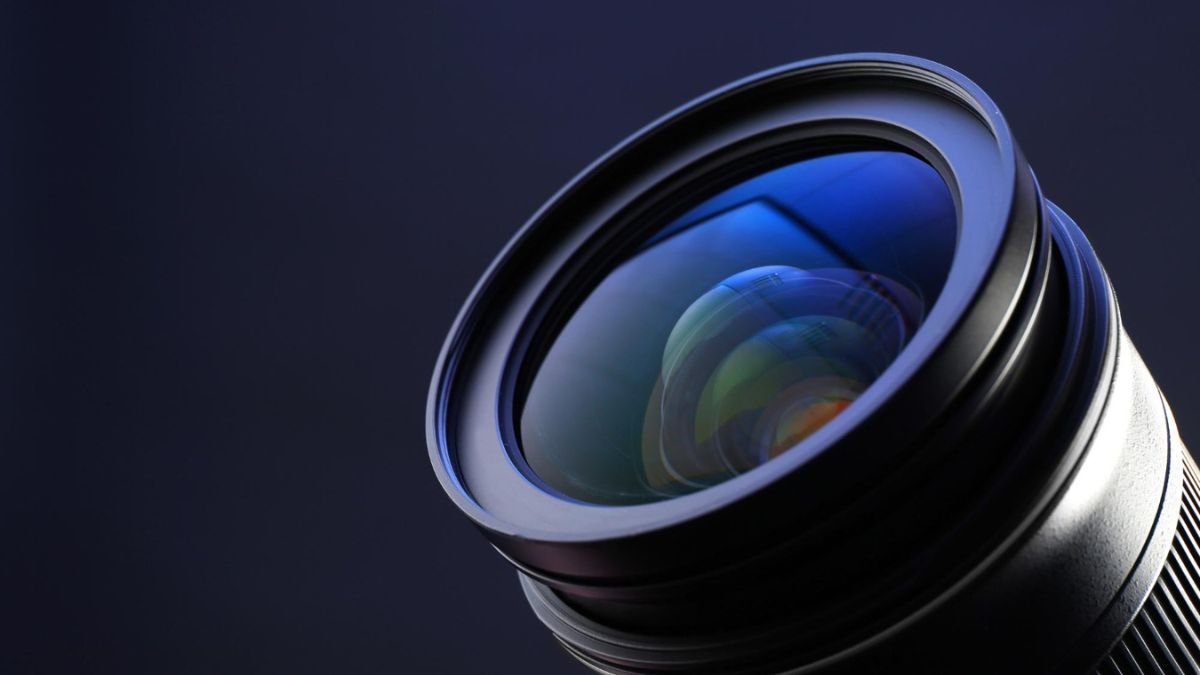
Lenses in photography and videography are very important for the quality of the image. Although zoom lenses have flexibility, prime optics, commonly referred to as prime lenses are considered the standard of sharpness, clarity, and even creativity.
Prime Lenses do not zoom in and out and their focal length remains constant. Although this might appear as a drawback, it enables them to provide high optical performance as compared to several zoom lenses.
No matter whether you are an amateur who is just trying out photography or a professional photographer who needs to be more precise, prime optics can help you to get much better results.
What Are the Prime Optics?
Prime optics are lenses with a fixed focal length, that is fixed i.e. 35mm, 50mm or 85mm.
Prime lenses are made to suit a particular field of view as opposed to zoom lenses, which have a variable focus. This narrow design facilitates improved image quality and performance.
Key Characteristics:
- Fixed focal length
- Wider aperture (e.g., f/1.4, f/1.8)
- Sharper images
- Better low-light performance
Prime optics is common in such photography styles as portrait, street and cinematographic video.
The Reasons why Prime Optics is a Good Choice.
Photographers prefer prime lenses due to a number of reasons.
- Superior Image Quality
Prime lenses are characterized by a lower number of internal components and consequently, the images are sharper and clearer.
- Better Low-Light Performance
Large apertures enable more light to penetrate and thus they are suitable in low lighting conditions.
- Beautiful Background Blur
Prime optics have a smooth and creamy bokeh that makes the subjects to stand out.
- Lightweight Design
They tend to be smaller and lighter than zoom lenses.
- Creative Discipline
The focal length should be fixed to make the photographer think more creatively in composition.
Types of Prime Lenses
Prime optics are available in various focal lengths with each being applicable to a particular use.
1. Wide-angle prime lenses (14mm-35mm)
Best for:
- Landscape photography
- Architecture
- Street photography
Wide-angle primes have bigger field of view and are ideal in immersive shots.
2. Standard Prime Lenses (35mm–50mm)
Best for:
- Everyday photography
- Portraits
- Documentary work
These lenses provide the natural view just like the human eye.
3. Telephoto Prime Lenses (200mm-85mm)
Best for:
- Portrait photography
- Wildlife photography
- Sports
Telephoto primes offer good subject isolation and background compression.
Features of Prime Optics
- Exceptional Sharpness – Prime lenses provide edge-to-edge clarity.
- Low-Light Capability – Large apertures enable the capturing of dark shots.
- More Control of Depth of Field. – Get a professional background blur.
- Compact Design – Portable enough to carry on a trip and for outdoor shoots.
- Faster Autofocus – Faster and more precise than zoom lenses.
Weaknesses of Prime Optics.
- No Zoom Capability – Framing requires physical movement.
- Less Versatility – Various lenses could be needed in various shots.
- Learning Curve – Fixed focal lengths can be a challenge to the beginners.
Popular Use Cases
Prime optics have a wide range of applications.
- Portrait Photography – The lenses (85mm) produce beautiful separation of subjects.
- Street Photography – The lenses used are 35mm and are used to capture natural and candid moments.
- Wedding Photography – Prime lenses are effective in low light conditions.
- Cinematography – Applied in shots in the cinema with shallow depth of field.
- Product Photography – They are sharp and detailed and ideal in close-up shots.
How to Select the Correct Prime Lens?
In choosing a prime lens, take into account:
- Purpose
Select according to your kind of photography (portrait, landscape, etc.).
- Aperture
Larger apertures (f/1.4 or f/1.8) are more suited to low light and bokeh.
- Budget
Prime lenses are offered in a variety of prices.
- Camera Compatibility
Make sure that the lens fits your mount.
Recent developments in Prime optics
The current prime lenses are superior to ever.
- Better finishes minimize flare and ghosting.
- Improved video and photo autofocus.
- Portable design using lightweight.
- Increased weather sealing and durability.
Manufacturers also continuously enhance performance and have small designs.
Best in Videography Optics
In filmmaking, prime lenses are the most used ones.
Benefits for Video:
- Cinematography depth of field.
- Consistent image quality
- Smooth focus transitions
- Better low-light performance
Prime lenses are favored by many filmmakers as they allow them to be artistically controlled.
Prime Lenses Tips
- Exercise rather than zoom in and out.
- Experiment with composition
- Make inventive use of wide apertures.
- Framing and perspective practice
- Bring various focal lengths when necessary.
Who is Prime Optics to be used by?
Prime lenses are suitable for:
- Professional photographers
- Content creators
- Filmmakers
- Photography enthusiasts
Prime lenses can be utilized even by beginners as they can develop their skills.
Conclusion
Prime optics have excellent image quality, artistic freedom, and capability. Although they can not be used like zoom lenses, they are much more useful in terms of their sharpness, the ability to work in low light, and the depth of field, which makes them very popular among professionals.
Prime lenses are very difficult to replace, whether shooting portraits, landscapes, or videos, because they give you control and clarity that is difficult to achieve. Knowing your strengths and weaknesses, you will be able to make more appropriate decisions and improve your photography techniques.
When you are serious about photography, one of the best decisions you will make is to invest in high-quality optics.
Also Read: Smartphones With The Best Camera For Taking Pro Videos & Photos
About the Author